
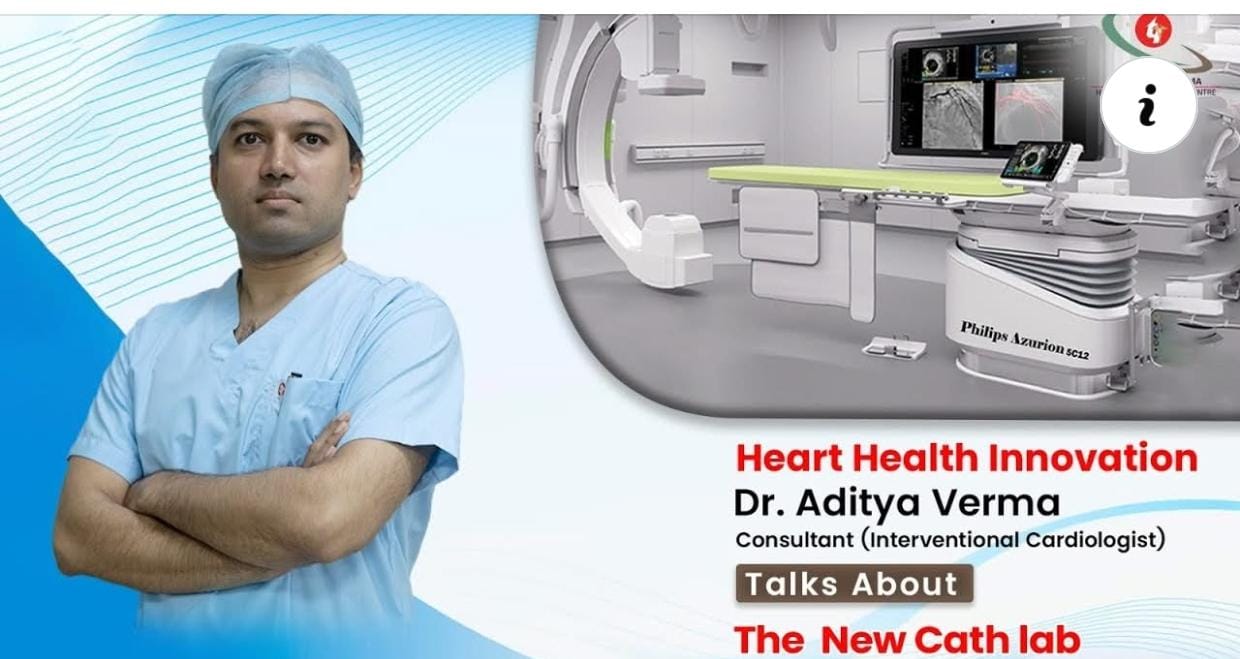
Advancements in Interventional Cardiology: A New Era of Heart Care
Cardiovascular diseases remain one of the leading causes of mortality worldwide. However, the rapid advancements in interventional cardiology have transformed the way heart conditions are diagnosed and treated. Dr. Aditya Verma, a distinguished interventional cardiologist, shares insights into the latest techniques that are revolutionizing heart care.
What is Interventional Cardiology?
Interventional cardiology is a specialized branch of cardiology that focuses on minimally invasive procedures to diagnose and treat heart diseases. Unlike traditional open-heart surgery, these procedures utilize catheters inserted through small incisions, allowing for quicker recovery and reduced risks.
Key Innovations in Interventional Cardiology
1. Coronary Angioplasty and Stenting
One of the most common interventional procedures, coronary angioplasty, involves using a balloon to widen narrowed arteries, followed by stent placement to keep the arteries open. Drug-eluting stents (DES) have further improved outcomes by reducing the risk of restenosis (re-narrowing of arteries).
2. Transcatheter Aortic Valve Replacement (TAVR)
For patients with severe aortic stenosis who are at high risk for open-heart surgery, TAVR offers a minimally invasive alternative. The procedure involves replacing the damaged aortic valve with an artificial valve through a catheter-based approach, significantly improving patient survival rates and quality of life.
3. Mitral Clip for Mitral Regurgitation
Patients suffering from mitral valve regurgitation now have a less invasive option with the MitraClip procedure. This technique allows cardiologists to repair the leaking valve using a clip, reducing symptoms of heart failure and improving heart function.
4. Rotational and Orbital Atherectomy
In cases of heavily calcified arteries, conventional stents may not be effective. Atherectomy techniques, such as rotational and orbital atherectomy, help break down calcium deposits, making stent placement more successful and improving blood flow.
5. Peripheral and Carotid Interventions
Beyond coronary arteries, interventional cardiology plays a vital role in treating peripheral artery disease (PAD) and carotid artery disease to prevent limb loss and strokes, respectively. Techniques such as angioplasty, stenting, and atherectomy provide life-saving solutions for patients with vascular diseases.
Benefits of Interventional Cardiology
✅ Minimally Invasive – Reduces the need for open surgery ✅ Faster Recovery – Patients return to normal activities sooner ✅ Lower Risk – Decreased chances of infection and complications ✅ Improved Outcomes – Enhanced long-term heart function
The Future of Interventional Cardiology
With the advent of robotic-assisted interventions, bioresorbable stents, and AI-driven diagnostics, the field of interventional cardiology is poised for even greater breakthroughs. As research continues to evolve, patients can look forward to safer, more effective, and personalized treatment options.
Conclusion
Dr. Aditya Verma emphasizes that early detection and timely intervention remain crucial in managing heart diseases effectively. As interventional cardiology advances, patients now have access to state-of-the-art treatments that enhance longevity and quality of life.
If you or a loved one is experiencing heart-related symptoms, consult a specialized interventional cardiologist to explore the best treatment options available.